Anti-Oxidant Complex – Liquid Antioxidant Formula
Anti-Oxidant Complex – Liquid Antioxidant Formula
Sale -50%, Shelf life:12/26, No other discounts apply
Food Supplement
Colloidal solution • 250 ml
Original price was: 38.50 €.19.25 €Current price is: 19.25 €.

✅ Anti-Oxidant Complex – Liquid Antioxidant Formula
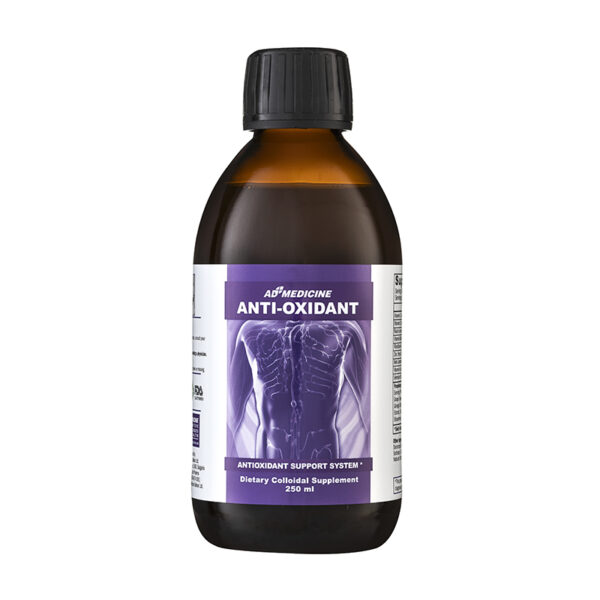
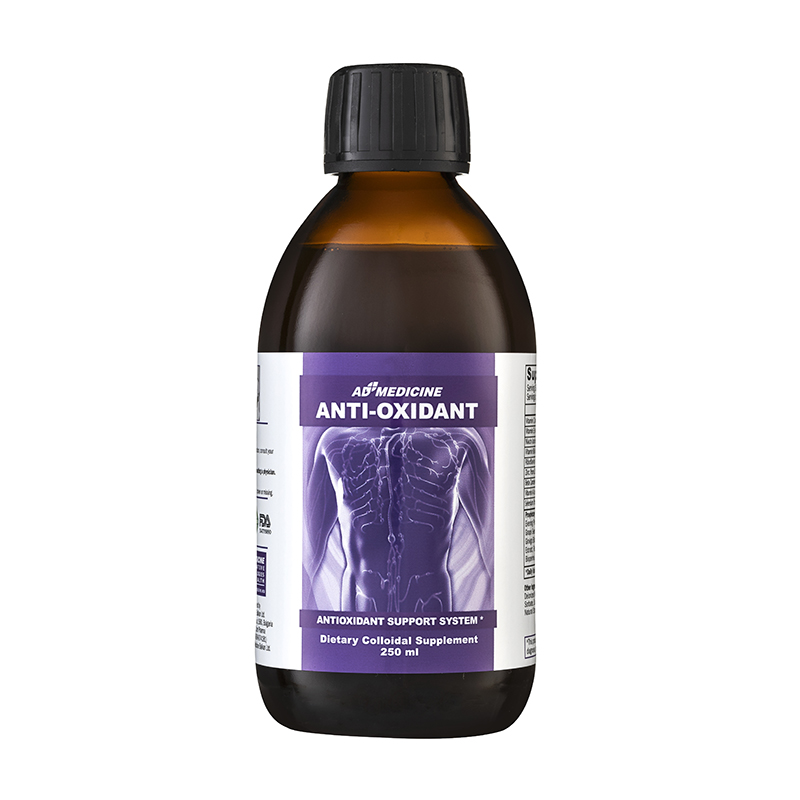
Anti-Oxidant Complex is a liquid food supplement presented as a colloidal solution in a 250 ml dark glass bottle.
🌿 Description
Anti-Oxidant Complex is a multi-component liquid food supplement formulated with a carefully selected combination of vitamins, minerals, botanical extracts, bioflavonoids and naturally occurring nutritional compounds.
The formula combines antioxidant nutrients such as vitamins C and E, zinc and selenium with grape seed extract, rosemary, quercetin, rutin, hesperidin, alpha-lipoic acid, evening primrose oil, betaine, Reishi mushroom and other selected ingredients.
Vitamin C, vitamin E, zinc and selenium contribute to the protection of cells from oxidative stress.
The liquid formulation is designed for convenient daily intake and to complement a varied and balanced diet as part of a healthy lifestyle.
Manufactured under controlled quality conditions in accordance with applicable food-supplement manufacturing standards.
Due to the natural origin of the ingredients, slight variations in colour, taste and consistency may occur between batches. These natural variations are normal and do not affect the quality or safety of the product.
✨ Product Characteristics
- Liquid colloidal formulation for convenient daily intake
- Multi-component formula with vitamins, minerals and botanical extracts
- Contains vitamins C and E, zinc and selenium
- Includes grape seed, rosemary, Ginkgo biloba and Reishi extracts
- Contains selected bioflavonoids including quercetin, rutin and hesperidin
- Designed to complement a varied and balanced diet
- Suitable for adults as part of a regular nutritional routine
🎯 Intended Use
Anti-Oxidant Complex is intended for adults who wish to complement their daily diet with a broad combination of antioxidant nutrients, botanical extracts and other nutritional compounds.
It may be incorporated into everyday nutritional routines:
- As part of a varied and balanced diet
- During active and demanding daily routines
- When looking to complement dietary intake with antioxidant nutrients
- As part of a long-term nutritional and wellness routine
- When seeking a multi-component liquid food supplement rather than several individual products
🧪 Composition
Colloidal solution containing the following ingredients:
| Ingredient | Per 5 ml | % NRV* |
|---|---|---|
| Vitamin C (as Ascorbic Acid) | 100 mg | 125% |
| Vitamin E (as D-alpha Tocopheryl Acetate) | 36 mg α-TE | 300% |
| Evening Primrose Oil (Oenothera biennis) | 27 mg | – |
| Betaine (Trimethylglycine) | 25 mg | – |
| Grape Seed (Vitis vinifera L.) Extract 95% | 8 mg | – |
| Rosemary (Rosmarinus officinalis) Leaf Extract | 8 mg | – |
| Niacin (as Nicotinamide) | 7 mg NE | 43.75% |
| Ginkgo biloba Leaf Extract (24:6) | 3.5 mg | – |
| Reishi Mushroom (Ganoderma lucidum) Fruiting Body Extract, 4% Triterpenes | 3.5 mg | – |
| Rutin | 3.5 mg | – |
| Quercetin | 3.5 mg | – |
| Alpha-Lipoic Acid | 3.5 mg | – |
| Hesperidin (35% Citrus Bioflavonoids) | 3.5 mg | – |
| Vitamin B6 (as Pyridoxine Hydrochloride) | 2 mg | 142.86% |
| Riboflavin (Vitamin B2) | 1.7 mg | 121.43% |
| Zinc (from Zinc Citrate) | 1.7 mg | 17% |
| BioPerine® | 1.7 mg | – |
| Beta-Carotene | 0.8 mg | – |
| Vitamin A (as Retinyl Palmitate) | 1000 µg RE | 125% |
| Selenium (from Selenomethionine) | 10 µg | 18.18% |
*NRV = Nutrient Reference Values according to Regulation (EU) No. 1169/2011.
🌿 Active Ingredient Information
🍋 Vitamin C
What is it?
Vitamin C, also known as ascorbic acid, is an essential water-soluble vitamin naturally present in many fruits and vegetables.
Vitamin C contributes to the protection of cells from oxidative stress, normal function of the immune system and normal energy-yielding metabolism. It also contributes to normal collagen formation for the normal function of blood vessels, skin, bones and cartilage and increases iron absorption.
💡 Interesting Fact
Humans are among the relatively small number of mammals that cannot produce their own vitamin C.
Most mammals can synthesise it internally, but humans and other primates lost this ability during evolution. This means that vitamin C has to be obtained through the diet.
Vitamin C also played a fascinating role in maritime history. Centuries ago, sailors could spend months at sea without fresh fruit and vegetables. The discovery that citrus fruits helped prevent scurvy eventually became one of the most famous chapters in the history of nutrition.
🌿 Natural Sources
Blackcurrants, bell peppers, kiwi, strawberries, broccoli, Brussels sprouts and citrus fruits.
Interestingly, although oranges are famous for vitamin C, some peppers and blackcurrants naturally contain considerably more per 100 g.
🌻 Vitamin E
What is it?
Vitamin E is an essential fat-soluble vitamin. The term vitamin E actually describes a family of naturally occurring compounds known as tocopherols and tocotrienols.
Vitamin E contributes to the protection of cells from oxidative stress.
Because it is fat-soluble, vitamin E naturally occurs predominantly in foods that contain plant oils and fats.
💡 Interesting Fact
Vitamin E is not one single molecule. Nature provides eight principal forms – four tocopherols and four tocotrienols, each occurring as alpha, beta, gamma or delta forms.
Alpha-tocopherol is the form most closely associated with human vitamin E nutrition.
🌿 Natural Sources
Sunflower seeds, almonds, hazelnuts, wheat germ, avocado and vegetable oils.
🌼 Evening Primrose Oil
What is it?
Evening primrose oil is obtained from the seeds of Oenothera biennis, a flowering plant native to North America and now found in many parts of the world.
The oil is naturally rich in linoleic acid and also provides gamma-linolenic acid (GLA), an omega-6 fatty acid.
💡 Interesting Fact
The evening primrose gets its poetic name from an unusual habit: many of its yellow flowers open in the evening rather than in the morning.
Some species can open their flowers remarkably quickly around dusk, attracting night-flying pollinators such as moths.
The valuable oil, however, does not come from the flower – it is extracted from the plant’s tiny seeds.
🌿 Natural Sources
Seeds of the evening primrose plant (Oenothera biennis).
🧬 Betaine
What is it?
Betaine is a naturally occurring compound also known as trimethylglycine.
It occurs naturally in the human body and in a variety of foods, particularly beetroot, spinach and whole grains.
💡 Interesting Fact
Betaine received its name from Beta vulgaris – the botanical name for beetroot, from which the compound was first isolated in the 19th century.
In nature, betaine has another fascinating role. Certain plants accumulate it as an osmolyte, a compound that helps cells cope with challenging conditions such as high salinity or limited water availability.
🌿 Natural Sources
Beetroot, spinach, wheat bran, wheat germ, quinoa and other whole grains.
🍇 Grape Seed Extract
What is it?
Grape seed extract is obtained from the seeds of Vitis vinifera grapes.
Grape seeds naturally contain a diverse group of plant polyphenols, including proanthocyanidins.
💡 Interesting Fact
Grape seeds are a good example of how a part of a fruit that is often discarded can contain a completely different collection of compounds from the sweet flesh.
The bitter and astringent sensation produced when a grape seed is chewed is largely associated with its naturally occurring polyphenols and tannin-like compounds.
Grape seeds, skins and pulp therefore have quite different phytochemical profiles even though they all come from the same fruit.
🌿 Natural Sources
Seeds of grapes, particularly Vitis vinifera.
🌿 Rosemary Leaf Extract
What is it?
Rosemary (Salvia rosmarinus, formerly Rosmarinus officinalis) is an aromatic Mediterranean plant.
Its leaves naturally contain a variety of characteristic compounds, including rosmarinic acid, carnosic acid and other polyphenolic constituents.
💡 Interesting Fact
The name rosemary is traditionally associated with the Latin ros marinus, meaning “dew of the sea” – a fitting description for a plant strongly associated with the Mediterranean coast.
Its needle-like leaves are also an adaptation well suited to warm, relatively dry environments, helping the plant limit water loss.
🌿 Natural Sources
Leaves of the rosemary plant.
⚡ Niacin – Vitamin B3
What is it?
Niacin is an essential water-soluble B vitamin. AntiOxidant provides niacin as nicotinamide, one of the nutritional forms of vitamin B3.
Niacin contributes to normal energy-yielding metabolism, normal functioning of the nervous system and normal psychological function. It also contributes to the reduction of tiredness and fatigue and maintenance of normal skin and mucous membranes.
💡 Interesting Fact
Despite their similar names, niacin and nicotine are completely different substances.
The term “niacin” was created from nicotinic acid vitamin partly to avoid confusion between the essential nutrient and nicotine.
The body also uses vitamin B3 to form the important coenzymes NAD and NADP, which participate in numerous biochemical reactions.
🌿 Natural Sources
Poultry, meat, fish, peanuts, mushrooms, whole grains and legumes.
🌿 Ginkgo Biloba
What is it?
Ginkgo biloba is an ancient tree species recognised by its characteristic fan-shaped leaves.
Ginkgo leaves naturally contain a complex mixture of botanical compounds, including flavonoids and terpene-related constituents.
💡 Interesting Fact
Ginkgo is frequently described as a “living fossil.”
Ginkgo-like trees existed more than 200 million years ago, when dinosaurs still inhabited the Earth.
Today’s Ginkgo biloba is the only surviving representative of an extraordinarily ancient lineage of plants and has no close living relatives.
Its unmistakable fan-shaped leaf has become almost a botanical symbol of survival through geological time.
🌿 Natural Sources
Leaves of the Ginkgo biloba tree.
🍄 Reishi Mushroom
What is it?
Reishi is the common name given to mushrooms belonging to the Ganoderma group, particularly Ganoderma lucidum and related species.
These mushrooms naturally contain a complex mixture of compounds, including polysaccharides and triterpenes.
💡 Interesting Fact
Reishi has an extraordinary cultural history in East Asia stretching back centuries.
In traditional Chinese culture, the mushroom known as lingzhi became associated with longevity and was represented in paintings, carvings, textiles and even imperial decorative art.
Its characteristic glossy surface is another distinctive feature – the botanical name Ganoderma derives from Greek words referring to its shining or lustrous skin.
🌿 Natural Sources
Fruiting bodies of Ganoderma mushrooms.
🌱 Rutin
What is it?
Rutin is a naturally occurring plant flavonoid glycoside. Chemically, it consists of the flavonoid quercetin attached to a sugar component called rutinose.
It is found naturally in a variety of plants and foods.
💡 Interesting Fact
One of the richest well-known dietary sources of rutin is buckwheat.
Despite its name, buckwheat is not actually wheat – and botanically it is not even a cereal grain. It is a seed from a plant related to rhubarb and sorrel.
Rutin itself was historically called vitamin P, although it is no longer classified as a vitamin.
🌿 Natural Sources
Buckwheat, apples, citrus fruits, figs, asparagus and tea.
🧅 Quercetin
What is it?
Quercetin is a naturally occurring flavonoid, one of the large family of polyphenolic compounds produced by plants.
It occurs naturally in many fruits, vegetables and herbs, often concentrated in their outer layers.
💡 Interesting Fact
The papery outer layers of an onion that we normally throw away can contain particularly high concentrations of quercetin.
This illustrates an interesting botanical pattern: plants often concentrate protective phytochemicals in their outer tissues, where exposure to sunlight and the environment is greatest.
🌿 Natural Sources
Onions, apples, capers, berries, grapes, kale, broccoli and tea.
⚛️ Alpha-Lipoic Acid
What is it?
Alpha-lipoic acid is a naturally occurring sulfur-containing compound found in the human body and in small quantities in foods.
It participates in biochemical processes within cells and is associated with enzyme complexes involved in cellular metabolism.
💡 Interesting Fact
Alpha-lipoic acid has a distinctive molecular feature: it contains two sulfur atoms connected within a small ring structure.
The body can produce alpha-lipoic acid itself, which distinguishes it from essential vitamins that must be obtained entirely from food.
🌿 Natural Sources
Small amounts occur naturally in spinach, broccoli, tomatoes, Brussels sprouts and organ meats.
🍊 Hesperidin
What is it?
Hesperidin is a naturally occurring citrus flavonoid, more specifically a flavanone glycoside.
It is particularly concentrated in citrus peel and in the white inner portion underneath the colourful outer peel.
💡 Interesting Fact
Hesperidin has one of the more beautiful names in nutritional chemistry.
Its name is associated with the Hesperides of Greek mythology, nymphs who guarded a legendary garden containing golden fruits.
And the white layer of an orange that many people carefully peel away is actually one of the parts naturally rich in citrus flavonoids such as hesperidin.
🌿 Natural Sources
Oranges, mandarins, lemons, grapefruit and other citrus fruits, particularly their peel and white inner layers.
💛 Vitamin B6
What is it?
Vitamin B6 describes a group of related water-soluble compounds. Pyridoxine is one of its best-known forms.
Vitamin B6 contributes to normal energy-yielding metabolism, normal protein and glycogen metabolism and normal functioning of the nervous and immune systems. It also contributes to the reduction of tiredness and fatigue.
💡 Interesting Fact
Vitamin B6 may be required only in small quantities, but its active coenzyme form participates in more than 100 enzyme reactions, many involving amino-acid metabolism.
It is a striking example of how a micronutrient present in tiny amounts can participate in an enormous number of biochemical processes.
🌿 Natural Sources
Fish, poultry, chickpeas, potatoes, bananas and whole grains.
💛 Riboflavin – Vitamin B2
What is it?
Riboflavin is an essential water-soluble B vitamin.
It contributes to normal energy-yielding metabolism, normal functioning of the nervous system, maintenance of normal red blood cells, skin and vision and protection of cells from oxidative stress.
💡 Interesting Fact
Riboflavin naturally has an intense yellow-green colour and fluoresces under certain light.
Its name contains a clue: flavus means “yellow” in Latin.
This natural colour also explains why supplements containing larger amounts of B vitamins can sometimes produce noticeably bright-yellow urine.
🌿 Natural Sources
Milk, yogurt, eggs, almonds, mushrooms, meat and leafy green vegetables.
🧬 Zinc
What is it?
Zinc is an essential trace mineral involved in numerous biological processes.
Zinc contributes to normal function of the immune system, normal DNA synthesis and normal metabolism of carbohydrates, fatty acids and vitamin A. It also contributes to the maintenance of normal skin, hair, nails, bones and vision and to the protection of cells from oxidative stress.
💡 Interesting Fact
Zinc is involved in the activity of hundreds of enzymes.
It also has an interesting connection with our senses: adequate zinc nutrition is associated with normal physiological processes involved in taste and smell.
The body needs zinc only in relatively small amounts, yet the mineral is distributed throughout many tissues.
🌿 Natural Sources
Oysters, seafood, meat, pumpkin seeds, nuts, legumes and dairy products.
🌶️ BioPerine® – Black Pepper Extract
What is it?
BioPerine® is a standardised extract obtained from black pepper (Piper nigrum) and is associated with its naturally occurring piperine content.
Piperine is an alkaloid responsible for much of black pepper’s characteristic pungency.
💡 Interesting Fact
Black pepper was once so valuable that it became known as “black gold.”
For centuries, pepper was an important commodity in the spice trade linking Asia and Europe. Its value and demand played a role in the development of major international trade routes.
And the familiar black and white peppercorns actually come from the same plant – their different appearance results largely from harvesting time and processing.
🌿 Natural Sources
Fruits – commonly called peppercorns – of Piper nigrum.
🥕 Beta-Carotene
What is it?
Beta-carotene is a naturally occurring plant pigment belonging to the carotenoid family.
It gives many fruits and vegetables their yellow, orange and red colours and can be converted by the human body into vitamin A when required.
💡 Interesting Fact
The word carotene comes from “carrot”, one of the foods most famously associated with the pigment.
But carrots were not always orange. Historically, cultivated carrots existed in colours including purple, yellow and white.
Beta-carotene is also present in green vegetables such as spinach – we simply cannot see its orange colour because it is masked by the much stronger green chlorophyll pigments.
🌿 Natural Sources
Carrots, sweet potatoes, pumpkin, spinach, kale, apricots and cantaloupe melon.
👁️ Vitamin A
What is it?
Vitamin A is an essential fat-soluble vitamin.
Vitamin A contributes to the maintenance of normal vision, skin and mucous membranes, normal iron metabolism and normal function of the immune system. It also has a role in the process of cell specialisation.
💡 Interesting Fact
Vitamin A has a fascinating relationship with light.
A vitamin A-derived molecule forms part of rhodopsin, a light-sensitive pigment in the retina involved in vision under low-light conditions.
So the connection between vitamin A and normal vision can literally be traced down to the molecular machinery used by the eye to respond to light.
🌿 Natural Sources
Preformed vitamin A occurs in foods such as liver, eggs and dairy products.
Plant foods including carrots, pumpkin, sweet potatoes and spinach provide provitamin A carotenoids such as beta-carotene.
🌙 Selenium
What is it?
Selenium is an essential trace element required by the human body in very small amounts.
Selenium contributes to the protection of cells from oxidative stress, normal function of the immune system and normal thyroid function. It also contributes to the maintenance of normal hair and nails.
💡 Interesting Fact
Selenium was named after Selene, the Greek goddess of the Moon.
There is another fascinating feature of selenium nutrition: the amount present in plant foods can vary dramatically depending on the soil in which they were grown.
Brazil nuts are particularly famous for selenium, but even individual nuts can contain very different quantities because selenium levels in soils vary from one geographical area to another.
🌿 Natural Sources
Brazil nuts, seafood, fish, eggs, meat and cereals.
🍃 Product Features
✔️ Alcohol-free
✔️ Gluten-free
✔️ Wheat-free
✔️ Lactose-free
✔️ Non-GMO
✔️ Free from artificial colors and flavorings
📌 Directions for Use
Recommended intake: 5 ml daily before meals.
Shake before each use.
Take directly or dilute with water or juice, if preferred.
Store at room temperature in a dry place, away from direct sunlight.
Refrigerate after opening and consume within 3 months.
Recommended Product Combinations
⚠️ Important Notice
Food supplement.
Do not exceed the recommended daily intake.
Food supplements should not be used as a substitute for a varied and balanced diet and a healthy lifestyle.
Keep out of reach of young children.
If you are pregnant, breastfeeding, taking medication or have a medical condition, consult a qualified healthcare professional before use.
❓ FAQ
What type of product is Anti-Oxidant Complex?
Anti-Oxidant Complex is a liquid food supplement containing a combination of vitamins, minerals, botanical extracts, bioflavonoids and other nutritional compounds.
Which antioxidant nutrients does the formula contain?
The formula contains vitamin C, vitamin E, zinc and selenium, all of which contribute to the protection of cells from oxidative stress.
Does the formula contain botanical ingredients?
Yes. The formula includes ingredients such as grape seed extract, rosemary leaf extract, Ginkgo biloba, Reishi mushroom, evening primrose oil and black pepper extract, together with naturally occurring flavonoids including rutin, quercetin and hesperidin.
Why is the colour or consistency sometimes slightly different?
Anti-Oxidant Complex contains several naturally derived ingredients. Natural raw materials can vary slightly in colour and other physical characteristics, so minor differences between batches may occur.
Is Anti-Oxidant Complex a medicine?
No. Anti-Oxidant Complex is a food supplement intended to complement the normal diet. It is not intended to diagnose, treat, cure or prevent disease.
🔗 Additional Information
Learn more about our company and product philosophy on the About Us page or explore other products in our Online Store.
Food supplements are intended to complement the normal diet.
General information about food supplements is available on the European Food Safety Authority (EFSA) website.