Immune Support – Natural Colloidal Formula for Immune System Support
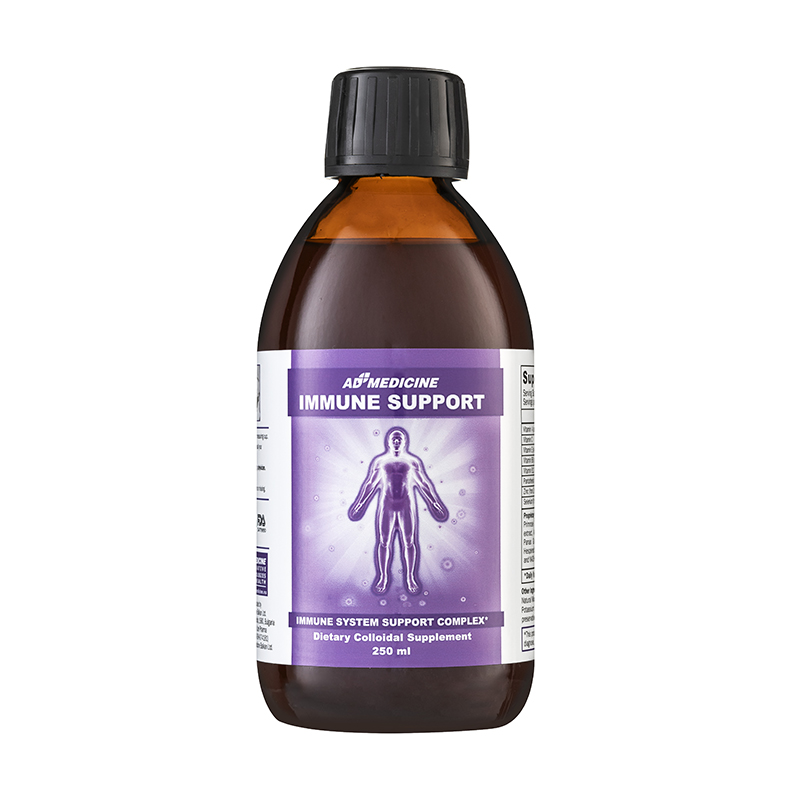
Immune Support – Natural Colloidal Formula for Immune System Support
Natural Liquid Food Supplement
Colloidal solution • 250 ml
38.50 €

Immune Support – Natural Colloidal Formula for Immune System Support
Food supplement
Colloidal solution • 250 ml
🌿 Description
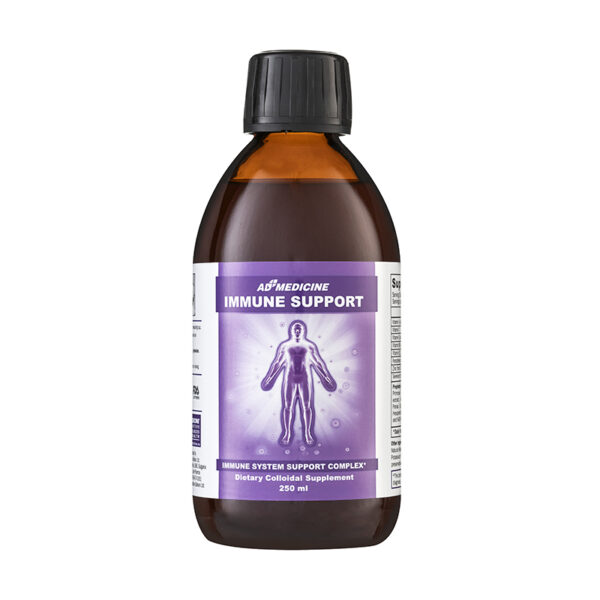
Immune Support is a natural liquid food supplement formulated with a comprehensive combination of botanical extracts, vitamins, minerals and other bioactive nutritional ingredients.
The formula contains Vitamin C, Vitamin E, Zinc, Selenium, Echinacea, Astragalus, Ginseng, Reishi, Beta-Glucans, Royal Jelly, Coenzyme Q10 and other selected ingredients.
Immune Support is designed to complement daily nutrition and contribute to the normal function of the immune system. This is also the stated intended purpose on the product label. immuneetiket-NAT MED
Due to the natural botanical composition, variations in color, taste and consistency may occur between batches.
✨ Product Characteristics
- Liquid colloidal formula for immune system support
- Contains Vitamins C, E, B6, B12 and A
- Contains Zinc and Selenium
- Combination of Echinacea angustifolia and Echinacea purpurea
- Contains Astragalus, Ginseng and Reishi mushroom
- Contains Beta 1–3 Glucans from Maitake mushroom extract
- Contains Royal Jelly, Coenzyme Q10 and NADH
- Convenient liquid format
- Suitable for regular nutritional routines
🎯 Intended Use
Immune Support is intended for adults seeking to complement their daily diet with selected vitamins, minerals and botanical ingredients.
The product is formulated to contribute to the normal function of the immune system and may be incorporated into regular nutritional routines as part of a varied and balanced diet and healthy lifestyle.
🧪 Composition
Colloidal solution containing the following ingredients:
| Ingredient | Per 5 ml | % NRV* | Per 10 ml | % NRV* |
|---|---|---|---|---|
| Caprylic Acid | 100 mg | – | 200 mg | – |
| Vitamin C | 200 mg | 250% | 400 mg | 500% |
| Evening Primrose Oil | 46 mg | – | 92 mg | – |
| Royal Jelly 6% | 35 mg | – | 70 mg | – |
| Vitamin E | 20 mg α-TE | 167% | 40 mg α-TE | 334% |
| Echinacea angustifolia Extract | 17 mg | – | 34 mg | – |
| Echinacea purpurea Extract | 17 mg | – | 34 mg | – |
| Astragalus Root | 17 mg | – | 34 mg | – |
| Inositol Hexaphosphate | 13.5 mg | – | 27 mg | – |
| Pantothenic Acid | 10 mg | 167% | 20 mg | 334% |
| Panax Ginseng Root Extract | 8 mg | – | 16 mg | – |
| Reishi Extract | 5 mg | – | 10 mg | – |
| Inositol | 3.5 mg | – | 7 mg | – |
| Hesperidin | 3.5 mg | – | 7 mg | – |
| Beta 1–3 Glucans (Maitake) | 3.5 mg | – | 7 mg | – |
| Vitamin B6 | 2 mg | 143% | 4 mg | 286% |
| Zinc | 1.7 mg | 17% | 3.4 mg | 34% |
| Coenzyme Q10 | 1.7 mg | – | 3.4 mg | – |
| NADH | 0.7 mg | – | 1.4 mg | – |
| Vitamin A | 500 µg RE | 62.5% | 1000 µg RE | 125% |
| Selenium | 25 µg | 45% | 50 µg | 90% |
| Vitamin B12 | 9 µg | 360% | 18 µg | 720% |
*NRV = Nutrient Reference Values according to Regulation (EU) No. 1169/2011.
🌿 Ingredient Information
🥥 Caprylic Acid
What is it?
Caprylic Acid, also known as octanoic acid, is a naturally occurring medium-chain fatty acid (MCFA). It is included in various nutritional formulations as a source of medium-chain fatty acids.
💡 Interesting Fact
Caprylic Acid contains eight carbon atoms, making it part of the medium-chain fatty acid family. These fatty acids differ structurally from long-chain fatty acids commonly found in foods.
🌿 Natural Sources
Coconut oil, palm kernel oil and certain dairy products.
🍊 Vitamin C (Ascorbic Acid)
What is it?
Vitamin C is an essential water-soluble vitamin that contributes to the normal function of the immune system, normal energy-yielding metabolism and the protection of cells from oxidative stress.
💡 Interesting Fact
Unlike many animals, humans cannot produce Vitamin C naturally and must obtain it through their diet.
🌿 Natural Sources
Acerola cherries, citrus fruits, rose hips, kiwi, strawberries, bell peppers, broccoli and leafy green vegetables.
🌼 Evening Primrose Oil
What is it?
Evening Primrose Oil is a plant-derived oil obtained from Oenothera biennis. It naturally contains fatty acids, including linoleic acid and gamma-linolenic acid (GLA).
💡 Interesting Fact
The Evening Primrose plant is named for its yellow flowers, which typically open during the evening hours.
🌿 Natural Sources
Seeds of the Evening Primrose plant (Oenothera biennis).
👑 Royal Jelly
What is it?
Royal Jelly is a naturally occurring substance produced by worker honeybees. It contains water, proteins, carbohydrates, fatty acids and other naturally occurring compounds.
💡 Interesting Fact
Royal Jelly is the exclusive food of the queen bee throughout her life and plays a distinctive role in honeybee colony biology.
🌿 Natural Sources
Produced by the glands of worker honeybees (Apis mellifera).
🧴 Vitamin E
What is it?
Vitamin E is an essential fat-soluble vitamin that contributes to the protection of cells from oxidative stress.
💡 Interesting Fact
Vitamin E refers to a family of naturally occurring compounds, including tocopherols and tocotrienols. Alpha-tocopherol is the principal form used to meet human vitamin E requirements.
🌿 Natural Sources
Sunflower seeds, almonds, hazelnuts, wheat germ oil, sunflower oil, avocado and green leafy vegetables.
🌸 Echinacea angustifolia
What is it?
Echinacea angustifolia is a flowering plant native to North America. Its extracts are traditionally included in botanical and nutritional formulations.
💡 Interesting Fact
Echinacea belongs to the daisy family (Asteraceae). Different Echinacea species contain varying profiles of naturally occurring plant compounds.
🌿 Natural Sources
The roots and other parts of Echinacea angustifolia, a plant native to the North American prairies.
🌸 Echinacea purpurea
What is it?
Echinacea purpurea, commonly known as Purple Coneflower, is a botanical ingredient used in herbal and nutritional products.
💡 Interesting Fact
Its distinctive purple petals surround a raised central cone, giving the plant its common name. It is one of the most widely cultivated Echinacea species.
🌿 Natural Sources
The roots and aerial parts of Echinacea purpurea.
🌿 Astragalus
What is it?
Astragalus is a botanical ingredient obtained from plants of the Astragalus genus. The root is commonly used in traditional herbal preparations and nutritional formulations.
💡 Interesting Fact
The Astragalus genus contains thousands of plant species, although only selected species are traditionally used in herbal preparations.
🌿 Natural Sources
The roots of selected Astragalus species, particularly Astragalus membranaceus.
🧪 Inositol Hexaphosphate (IP6)
What is it?
Inositol Hexaphosphate, also known as phytic acid or IP6, is a naturally occurring compound found in many plant foods.
💡 Interesting Fact
IP6 is a major storage form of phosphorus in many seeds and grains. Its chemical structure contains an inositol ring with six phosphate groups.
🌿 Natural Sources
Whole grains, legumes, beans, lentils, nuts, seeds and rice bran.
⚡ Pantothenic Acid (Vitamin B5)
What is it?
Pantothenic Acid is an essential water-soluble B vitamin that contributes to normal energy-yielding metabolism, normal mental performance and the reduction of tiredness and fatigue.
💡 Interesting Fact
The name “pantothenic” comes from the Greek word pantothen, meaning “from everywhere”, reflecting its widespread presence in foods.
🌿 Natural Sources
Mushrooms, avocados, eggs, chicken, whole grains, legumes and sunflower seeds.
🌱 Panax Ginseng
What is it?
Panax ginseng is a botanical ingredient derived from the root of the Asian Ginseng plant and commonly included in nutritional formulations.
💡 Interesting Fact
Ginseng roots are typically cultivated for several years before harvesting. The genus name Panax originates from Greek.
🌿 Natural Sources
The root of Panax ginseng, traditionally cultivated in Korea, China and other parts of East Asia.
🍄 Reishi Mushroom (Ganoderma lucidum)
What is it?
Reishi is a mushroom used in traditional Asian herbal preparations. It naturally contains polysaccharides, triterpenoids and other fungal compounds.
💡 Interesting Fact
Reishi is also known as Lingzhi. Its distinctive glossy, reddish-brown fruiting body gives it a recognizable appearance.
🌿 Natural Sources
The fruiting body of Reishi mushrooms, which grow naturally on wood and are also cultivated commercially.
🧪 Inositol
What is it?
Inositol is a naturally occurring carbohydrate-related compound found in human tissues and various foods. It is sometimes referred to as a vitamin-like substance, although it is not classified as an essential vitamin.
💡 Interesting Fact
Myo-inositol is the most abundant naturally occurring form of inositol and is a structural component of certain cellular signaling molecules.
🌿 Natural Sources
Citrus fruits, beans, whole grains, nuts, seeds and vegetables.
🍊 Hesperidin
What is it?
Hesperidin is a naturally occurring flavonoid glycoside found primarily in citrus fruits.
💡 Interesting Fact
Hesperidin is particularly concentrated in citrus peels and the white inner layer beneath the peel, known as the albedo.
🌿 Natural Sources
Oranges, lemons, mandarins, grapefruits and other citrus fruits.
🍄 Beta 1–3 Glucans from Maitake
What is it?
Beta 1–3 Glucans are naturally occurring polysaccharides found in the cell walls of certain fungi, including Maitake (Grifola frondosa).
💡 Interesting Fact
Maitake is also known as the “Hen of the Woods” mushroom because its clustered, overlapping caps resemble the feathers of a bird.
🌿 Natural Sources
Maitake mushrooms, along with other mushrooms and certain yeasts that contain beta-glucans with different molecular structures.
💊 Vitamin B6
What is it?
Vitamin B6 is an essential water-soluble vitamin that contributes to the normal function of the immune system, normal psychological function, normal energy-yielding metabolism and the reduction of tiredness and fatigue.
💡 Interesting Fact
Vitamin B6 is involved in numerous enzyme reactions, particularly those associated with amino acid metabolism.
🌿 Natural Sources
Chickpeas, bananas, potatoes, poultry, fish, sunflower seeds and whole grains.
🧬 Zinc
What is it?
Zinc is an essential trace mineral that contributes to the normal function of the immune system, normal DNA synthesis, normal macronutrient metabolism and the protection of cells from oxidative stress.
💡 Interesting Fact
Zinc is involved in the activity of hundreds of enzymes and is required for numerous normal cellular processes.
🌿 Natural Sources
Pumpkin seeds, oysters, meat, legumes, nuts, whole grains and dairy products.
🔋 Coenzyme Q10 (CoQ10)
What is it?
Coenzyme Q10, also known as ubiquinone, is a naturally occurring compound present in human cells and included in various nutritional formulations.
💡 Interesting Fact
Coenzyme Q10 is found in cellular mitochondria, where it participates in the electron transport chain involved in cellular energy production.
🌿 Natural Sources
Organ meats, oily fish, meat, soybeans, peanuts, pistachios and broccoli.
⚛️ NADH
What is it?
NADH is the reduced form of nicotinamide adenine dinucleotide (NAD), a naturally occurring coenzyme involved in cellular metabolic reactions.
💡 Interesting Fact
NAD exists in two interconvertible forms, NAD⁺ and NADH, which participate in oxidation-reduction reactions within cells.
🌿 Natural Sources
NAD-related compounds occur naturally in living cells. Dietary precursors include niacin and tryptophan, found in meat, fish, poultry, legumes, nuts and whole grains.
👁️ Vitamin A
What is it?
Vitamin A is an essential fat-soluble vitamin that contributes to the normal function of the immune system, maintenance of normal vision, normal skin and normal mucous membranes.
💡 Interesting Fact
Vitamin A is available in foods as preformed vitamin A, such as retinol, and as provitamin A carotenoids, including beta-carotene.
🌿 Natural Sources
Carrots, sweet potatoes, spinach, kale, pumpkin, eggs, dairy products and liver.
🛡️ Selenium
What is it?
Selenium is an essential trace mineral that contributes to the normal function of the immune system, normal thyroid function and the protection of cells from oxidative stress.
💡 Interesting Fact
The selenium content of plant foods varies depending on the selenium concentration of the soil in which they are grown.
🌿 Natural Sources
Brazil nuts, fish, seafood, eggs, meat, whole grains and sunflower seeds.
🩸 Vitamin B12
What is it?
Vitamin B12 is an essential water-soluble vitamin that contributes to the normal function of the immune system, normal energy-yielding metabolism, normal functioning of the nervous system and the reduction of tiredness and fatigue.
💡 Interesting Fact
Vitamin B12 contains cobalt in its molecular structure, which is why its compounds are collectively known as cobalamins.
🌿 Natural Sources
Fish, meat, eggs, milk, dairy products and foods fortified with Vitamin B12.
🍃 Product Features
✔️ Alcohol-free
✔️ Gluten-free
✔️ Wheat-free
✔️ Lactose-free
✔️ Non-GMO
✔️ Free from artificial colors and flavorings
🥄 Directions for Use
Recommended daily intake: 5–10 ml.
Take before meals.
The product may be consumed directly or diluted with water or juice if preferred.
Shake well before use.
⚠️ Important Information
Food supplement. Not a substitute for a varied and balanced diet and a healthy lifestyle.
Do not exceed the recommended daily intake.
Keep out of reach of young children.
❓ FAQ
Q: What is Immune Support?
A: Immune Support is a liquid food supplement formulated with vitamins, minerals, botanical extracts, mushroom-derived ingredients and other selected nutritional compounds.
Q: What is Immune Support designed for?
A: The product is formulated to contribute to the normal function of the immune system.
Q: Which vitamins and minerals does it contain?
A: The formula contains Vitamins C, E, B5, B6, B12 and A, as well as Zinc and Selenium.
Q: Does it contain Echinacea?
A: Yes. The formula combines Echinacea angustifolia and Echinacea purpurea.
Q: Does it contain Beta-Glucans?
A: Yes. It contains Beta 1–3 Glucans derived from Maitake mushroom extract.
Q: How should Immune Support be taken?
A: The recommended daily intake is 5–10 ml before meals, either directly or diluted with water or juice.